
How Much to Charge for Content Creation
When I first started pricing projects, I had no idea what I was doing. I read every free article I could find online, asked questions in the membership community I was part of, and then just started throwing out numbers.
Honestly, I relied on the gut check method a lot. If it felt fair and I wouldn’t regret the work later, I went with it.
Now, after nearly four years of working with tourism boards, brands, and short-term rentals, I’ve learned what’s actually reasonable to charge and how to confidently back up my rates with results.
In this guide, I’ll break down what determines content creator rates, share average pricing by platform, and show you how to build a professional rate card that grows with your experience.
Disclaimer: This post may contain affiliate links. If you make a purchase through this link, I may earn a small commission at no additional cost to you. See my Disclosure Policy for more information. Thanks for keeping Stuck On The Go going!
Are you a travel blogger who wants to work with tourism boards?
Check out How to Partner with Tourism Boards & Get Paid (Without a Massive Audience)
If you’re a travel blogger who feels overlooked by tourism boards, this course gives you the exact steps and proven strategies to land collaborations—without needing thousands of followers.

What Determines Your Content Creation Rates
Before you can decide what to charge, you have to understand what goes into your rates. There’s no universal formula, but some key factors will help you price your work fairly and consistently.
Follower Count or Monthly Pageviews
Your audience size does matter, but it’s not everything. A creator with 10,000 engaged followers can outperform someone with 50,000 passive ones. However, most pricing formulas for Instagram, TikTok, and similar platforms are still follower-based.
If you have a blog, your monthly pageviews work the same way: they show your reach and potential visibility for a brand.
So while there is a minimum price that I would charge for most posts, follower count plays a big role in increasing your prices.
Engagement Metrics
Likes, shares, saves, link clicks, and comments show how connected your audience is and how likely they are to act on your recommendations.
Higher engagement can justify higher content creator rates even if your audience is smaller. Engagement is as important, if not more than your follower count or monthly views.
What Type of Content Are You Creating
Creating a quick Instagram story versus producing a whole blog post or edited video are very different levels of work. The more time, skill, and tools required, the higher your rate should be.
Photos, drone shots, or short-form videos often carry higher prices because of the production value.
Even on Instagram alone, you can charge more for a reel than a photo carousel because of the time spent to create the content, and the platform has prioritized reels. For similar reasoning, you would charge less for a story set since they are the easiest to produce.
Who Are You Working For

A small-town tourism board doesn’t have the same marketing budget as a national brand. Adjust your pricing based on the client’s size and goals.
Local partners often offer long-term relationships or additional exposure, which can make slightly lower rates worthwhile early on.
I’ve learned this first-hand as many of my partnerships have been with rural tourism boards or small businesses. I started out pricing my work like I was pitching to a large brand and quickly learned my partners didn’t have the budget.
Licensing Costs & User Generated Content (UGC)
This is one of the best ways to start earning when you are just starting out, especially if your content is high quality.
If a brand wants to use your photos or videos for their own ads, websites, or email campaigns, charge licensing fees based on how long and where the content will be used.
With UGC, you don’t have to post it on your own platforms, so your follower count doesn’t matter. You can price the project per video or photo, or offer packages (which I highly recommend).
Are There Additional Expenses?
If you’re traveling for a shoot, renting gear, or buying props, build those costs into your rate. The goal is to make sure you’re being paid for your time and covering your expenses so you aren’t losing money on the project.
One other thing to think about is whether you’ll have to hire models. For example, if a short-term rental wants to showcase their place as a romantic getaway, you’ll need to feature a couple in the content. If you don’t have a partner who can come with you, you’ll have to hire a couple.
Can You Show a Return on Investment?
If you can demonstrate that your past work has driven clicks, bookings, or sales, you can confidently charge more.
Brands love creators who understand performance metrics and can connect the dots between content and results.
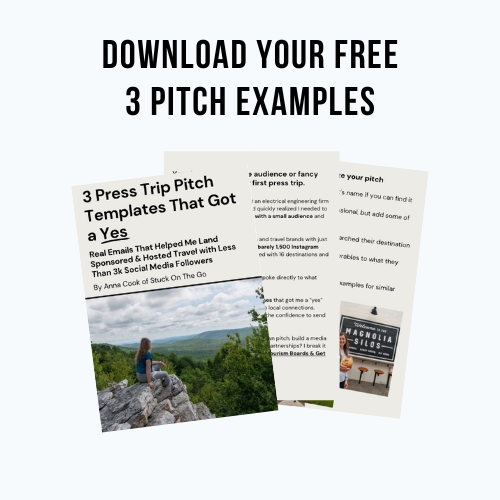
Struggling to land your first press trip?
These 3 real pitch examples show you what works and give you the confidence to send your next pitch without second-guessing every word.

Average Content Creation Pricing by Platform
Rates vary widely depending on your niche, experience, and deliverables. These ranges aren’t hard rules. They’re benchmarks to help you create a pricing structure that fits your skills and audience.
Blog Posts
Blog posts take SO MUCH time. Between writing, editing, SEO optimization, and photography, it all adds up.
- Beginner bloggers: $150–$300 per sponsored post
- Intermediate bloggers: $300–$600
- Established bloggers with strong SEO traffic: $750+
I started out charging $150 for a sponsored post, but now I wouldn’t take anything less than $250. I’ll cover packages later, but you can charge more if you share the link on socials, in your email newsletter, or on Pinterest.
Instagram rates primarily depend on followers, engagement rate, and the quality of your content. It also depends on whether you are creating a reel or photo carousel for the client.
- Under 10K followers: $100–$400 per post
- 10K–50K followers: $300–$3,000
- 50K+ followers: $2,000+ per post
Don’t forget, you also have to take into consideration who you are pitching to. Smaller companies don’t have the budget that larger brands do.
TikTok
TikTok is a little more unpredictable than Instagram, so you typically can’t charge as much. However, again, it depends on the goals of the brand and your TikTok account stats.
- Under 10K followers: $100–$250 per post
- 10K–50K followers: $300–$2,000
- 50K+ followers: $1,500+ per post
Facebook often serves as a repurposing platform, but it still has value for established pages with strong engagement. It also depends on whether you are posting to a page or in a group.
- Standalone posts: $75–$500+
- Add-on platform (when bundled with Instagram or blog): $50–$100
User-Generated Content
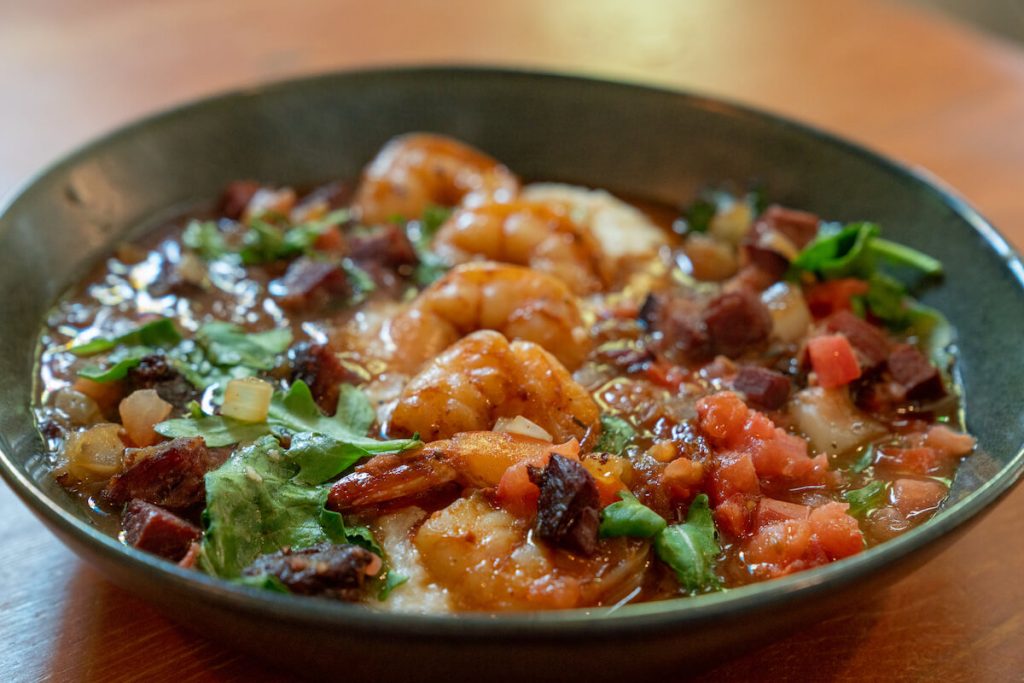
User-generated content has become one of the most in-demand forms of freelance content creation. UGC usually means you’re creating videos or photos that the brand will post on their channels, not yours.
That difference matters because pricing UGC isn’t about your audience size, but about the quality of your content and how the brand plans to use it.
Here are some general starting points:
- Simple photo packages: $30–$75 per edited image for beginners, $125–$300+ for experienced creators
- Short-form videos (15–60 seconds): $150–$200 for beginner creators, $300–$500+ for experienced creators
Again, these are starting points. Here are a few of the many factors that would influence your rate:
- Usage rights: Is the brand using it for organic posts only or paid ads too? How long do they want to use the content?
- Exclusivity: Are they asking you not to work with competitors?
- Deliverables: Are you scripting, editing, and adding captions, or just sending clips? Do they want video b-roll included with the final videos?
- Revisions: How many rounds of feedback are included?
- Turnaround time: Rush jobs should always cost more.
Other Platforms
YouTube or podcasts offer great sponsorship opportunities, but I’m not personally familiar with getting sponsored on those platforms.
Pinterest and email newsletters can also drive strong results, especially when paired with blog content. Pinterest promotion is also a great way to sweeten the deal when working on a sponsored blog post.
So, you would mention Pinterest promo in your proposal and include it in the blog sponsorship price. It wouldn’t be a separate line item.
Email newsletters can work the same, but you could also offer a sponsored newsletter for $150+ where you only talk about the brand in your email or give it separate ad space.
Building Your Rate Card
When you’re just starting out, it’s helpful to have a simple, generic rate card that outlines your base pricing for common deliverables. This helps you respond quickly to opportunities and gives you a consistent starting point.
When I first began pitching and working with brands, I used my rate card for everything. It included what I charged for a blog post, an Instagram post, a set of photos, or a short-form video.
Over time, though, I realized that no two partnerships are exactly alike, and a one-size-fits-all rate doesn’t always make sense.
Now, I create custom proposals for each partnership, but I still rely on my rate card as my foundation. It’s where I track my current prices, update deliverable rates, and build out three popular packages so I don’t have to reinvent the wheel every time.
No matter what I’m sending, I always include three pricing options that increase in scope and price. There’s always a base package, mid-tier package, and premium package.
Here’s the bottom line:
Create your rate card as a reference document with all your individual rates and a few sample packages. Then, use it to build tailored proposals once you’ve talked with a brand about their goals and deliverables.

How to Make More Money as a Content Creator
Once you’ve established your base rates and built relationships, there are several ways to grow your income without overworking yourself. This is all part of the process of becoming a content creator.
Diversify Platforms
Don’t rely on a single platform for brand partnerships. If you blog, add short-form video to your offerings.
If you focus on Instagram or TikTok, consider starting an email newsletter or creating content for Pinterest. The more ways you can deliver value, the more opportunities you’ll have.
Offer UGC Separately from Influencer Work
Brands often want both influencer promotion and user-generated content, but they’re two different services.
When you separate them, you can price each appropriately. One for your audience reach and one for your creative production.
Upsell Content Packages
Instead of quoting a single post or video, offer bundles. For example, combine a blog post, social shares, and short-form videos into one package. Bundling makes your services easier to purchase and increases your total project value.
Work on Long-Term Partnerships
Longer-term or multi-campaign partnerships provide predictable income and deeper brand relationships. With brands, you can easily create multiple posts during a 3-month span or over a year. This is basically pitching for content creation on a retainer basis.
When working with tourism boards, pitch ideas that extend beyond a single trip. For example, a series of seasonal features or social takeovers throughout the year.
Raise Your Rates When You’re Fully Booked
If everyone says yes immediately and no one tries to negotiate, that’s a sign your rates are too low. Pricing should make you slightly uncomfortable, as it’s often the difference between working constantly and working sustainably.
Incrementally increase your rates until you find that sweet spot where a few brands hesitate, but most still see the value.
FAQs on Freelance Content Creation Rates
How much should beginner content creators charge?
If you’re just starting out, keep it simple. Start with lower rates that reflect your current experience, then raise them as you build a portfolio and prove your value. For example, new creators might charge $100–$200 for a social post or $150–$200 for a short UGC video.
How do you calculate usage rights for photos or videos?
Usage rights are based on how and where your content will be used. A brand using your video organically on social media for a few months is different from a brand running it in paid ads for a year. The formula is “your content fee x placement x # of months it will be used.” In this formula, the placement number is typically between 20 – 50% (0.2 – 0.5) based on where the brand is using the content.
What should you include in a brand partnership contract?
A contract should clearly outline deliverables, deadlines, payment terms, cancellation policy, and usage rights. Make sure it also defines how many rounds of edits are included and how long the brand can use your content. If they want exclusivity — meaning you can’t work with competitors — that should come with additional pay.
When should I raise my rates?
The simplest sign: if every brand immediately says yes to your pricing and no one tries to negotiate. That means you’re likely undercharging. Review your rates every six months and adjust for your experience, demand, and results. Another reason to raise rates: If you get a new tool or certification, like a drone.
What’s Next?
Pricing your work as a content creator doesn’t have to be overwhelming. It’s part research, part confidence, and a lot of trial and error.
The key is to start somewhere, track what works, and adjust as your experience and results grow.
If you want a deeper dive into how to pitch tourism boards, structure partnerships, and confidently set your rates, I cover all of that inside my course, How to Partner with Tourism Boards & Get Paid.
It walks you step-by-step through creating professional proposals, negotiating, and building long-term brand relationships that actually pay off.
Not ready for a full course yet? Join my free Facebook group where you can connect with other creators in the travel space.

