
How to Become a Travel Content Creator
If you had told me back in 2019 that one day I’d be working as a full-time travel content creator, I probably would have laughed.
Back then, I was launching Stuck On The Go with the goal of eventually turning it into a business. I wasn’t sure if I’d enjoy the writing side of things, so I made myself a deal: if I could stick with it for a year, then I’d invest money into it and really go all in.
Looking back, I couldn’t have imagined everything that Stuck On The Go would turn into and where it would lead me.
Fast forward to 2021, and I finally took the leap to go part-time at my engineering job so I could devote more energy to the blog. By 2022, I left the corporate world completely to pursue full-time travel content creation.
But here’s the truth: this isn’t an easy path. There’s no clear roadmap for becoming a travel content creator, and there are countless directions you can take.
Over the years, I’ve pivoted multiple times from being “just” a travel blogger to becoming a true content creator producing blogs, photos, videos, and social media campaigns. I even ran a subscription box company there for a year or so.
I’ve faced my fair share of challenges, too. At times, I spread myself too thin, tried to diversify too early, and underestimated how hard growth would really be.
If you’ve read the articles promising “$5k in 6 months,” I can tell you from experience that it takes far more intentional strategy and focus than most people realize.
Still, despite the obstacles, this journey has been worth it. And if becoming a travel content creator is your dream, I want to share what I’ve learned.
The steps that helped me transition from new blogger to full-time creator, the challenges you should expect, and the practical tools that can help you get there.
Disclaimer: This post may contain affiliate links. If you make a purchase through this link, I may earn a small commission at no additional cost to you. See my Disclosure Policy for more information. Thanks for keeping Stuck On The Go going!
What is a Travel Content Creator?

The term content creator gets thrown around a lot these days, and sometimes we’re also called influencers or a bloggers. While all these roles can overlap, there are some important differences.
At its core, a travel content creator is someone who produces content—whether that’s blog posts, photos, videos, social media updates, or newsletters—with the purpose of educating, inspiring, or entertaining an audience about travel.
That content can live on your own platforms (like a website, YouTube channel, or Instagram account) or it can be created on behalf of brands, tourism boards, and publications.
Travel Content Creator vs. Influencer
- Content Creator: Focuses on producing high-quality, purposeful content (written, visual, or video) that can be used across multiple platforms.
- Influencer: Focuses more on influence and the ability to inspire followers to take action, such as booking a trip, buying a product, or visiting a destination. An influencer’s strength lies in their audience’s trust and loyalty, which brands value for exposure.
Many influencers are also content creators, but not all content creators are influencers. You can create user-generated content, also known as UGC, for other businesses (like tourism boards or tour companies) without building a massive personal following.
Travel Content Creator vs. Blogger
- Blogger: Primarily publishes written content on their own website, often through destination guides, itineraries, or personal stories. Their strength lies in search engine visibility and evergreen content that readers can find for years.
- Content Creator: May run a blog, but often produces across many channels (social media, video, email). They may also create content that never appears on their own site, like photography packages or video campaigns for a brand.
I started as a blogger in 2019, but over time, I realized I was creating far more than just blog posts. Today, I consider myself a travel content creator because my work spans blogs, social media partnerships, photography, and more.
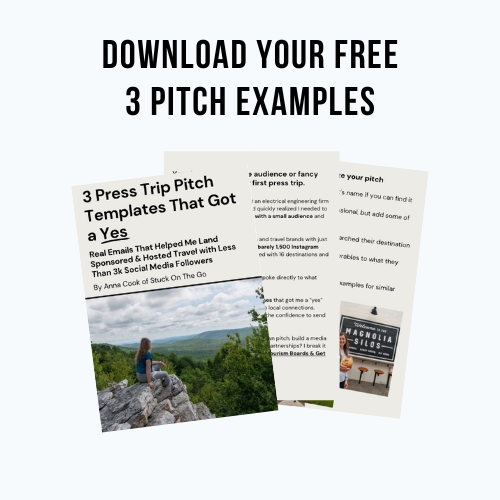
Struggling to land your first press trip?
These 3 real pitch examples show you what works and give you the confidence to send your next pitch without second-guessing every word.

Steps to Becoming a Travel Content Creator
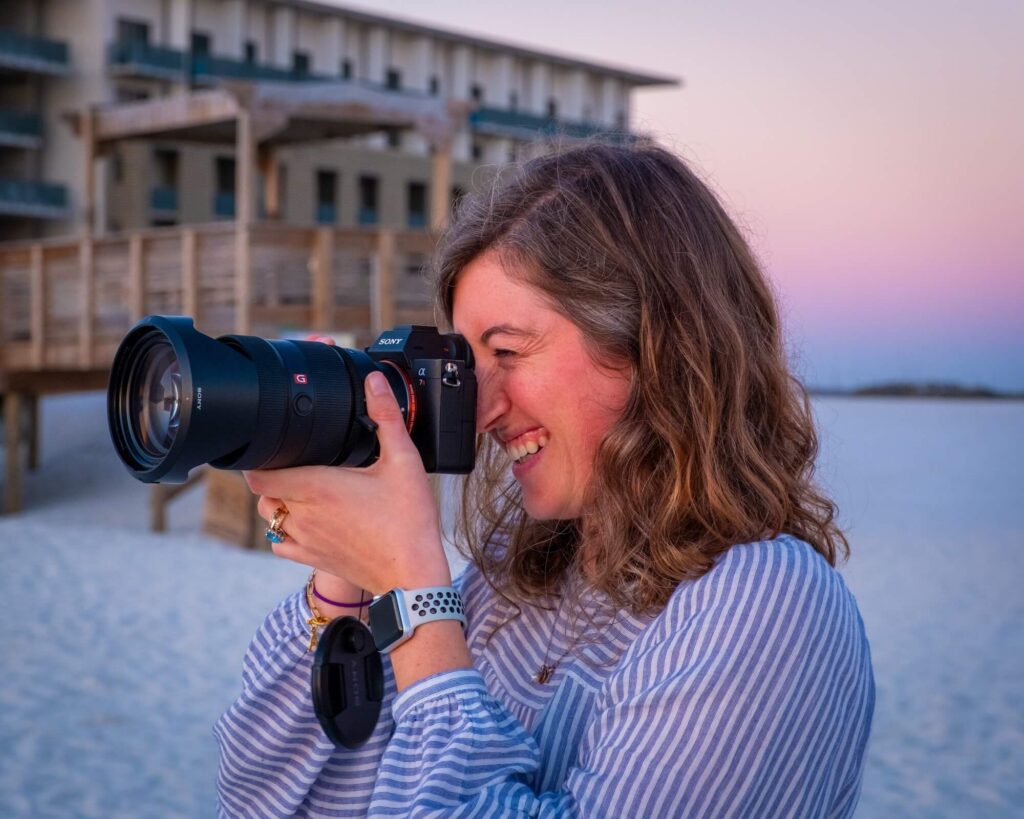
There’s no single path to becoming a travel content creator, and that’s part of what makes this industry both exciting and overwhelming.
What worked for me may look different for you, but these steps provide a solid framework to help you get started, stay focused, and build toward a career you love.
1. Choose Your Primary Platform
Most people start creating content without much of a plan, but I believe the very first step is deciding where your long-form content will live.
Many coaches will put this later in the sequence, but this choice will shape the type of skills you need to develop, the resources you’ll use to learn, and really your entire business.
Your primary platform should be one that allows you to publish in-depth, evergreen content like a blog, YouTube channel, or podcast.
While you can (and should) branch out to social media later, your main platform gives you a solid foundation that belongs to you, not an algorithm.
When deciding, think about your strengths and interests. If you love writing and organizing information, a blog might be the best fit.
If you enjoy being on camera and storytelling through video, YouTube could be your platform. If conversation and interviews energize you, a podcast may be the way to go.
There’s no wrong answer, just the one that feels the most natural and sustainable for you.
Action Step: Decide whether you want your primary platform to be a blog, YouTube Channel, or podcast.
Pro tip: No matter what platform you choose, once you select your brand name go ahead and grab it on all social media channels and pay for that domain. You don’t want someone else to snatch that up.
2. Learn as Much as You Can for Six Months
Once you’ve chosen your primary platform, it’s time to learn everything you can about how it works. This is where many aspiring creators get stuck. They fall into the trap of always learning but never actually creating.
That’s why I recommend setting a clear time limit for your learning phase. Whether it’s three months, six months, or somewhere in between, commit to soaking up as much knowledge as you can during that time.
Listen to podcasts, read blog posts, and watch YouTube tutorials that teach you the ins and outs of your chosen platform. If you have some extra cash, invest in a course or membership community. I’ve taken some fantastic courses for travel bloggers that have made a huge difference in my business.
But most importantly, give yourself a hard stop because at the end of that time frame, it’s time to start putting what you’ve learned into action.
Action Step: Find 2 – 3 coaches who are successful on your chosen primary platform. Try to learn from them a little each day, at least a few hours per week.
3. Start Creating!

At some point, you just have to dive in. You can study blogging, YouTube strategy, or podcast production forever, but none of that matters until you actually start creating content.
The truth is, your first posts, videos, or episodes won’t be perfect, and that’s okay. Every creator starts somewhere.
The goal in the beginning isn’t perfection, it’s consistency. Get comfortable publishing regularly on your chosen platform, even if your audience is tiny at first.
Each piece of content you create will teach you something new, whether it’s about your workflow, your style, or what resonates with your audience. And the faster you start, the faster you’ll learn and improve.
You may be wondering how to become a travel content creator when you can’t travel much, especially if you have a demanding full-time job.
I have many tips for this:
- Start local. I live in a very rural area, and there are still plenty of things for me to cover locally. Start by creating content around places you visit often, even if you can only visit places after work.
- Use weekend trips and day trips. This is exactly how I got started, especially because I was basically building my business after COVID and focused on outdoor activities.
- Plan your content in advance. When you have a short amount of time to create content, you’ll want to make a plan before you leave for your trip to be sure you get all the photos and videos you need. Trust me, this makes a bigger difference than you realize.
- Don’t have much money? Cover free activities and budget travel angles.
- Use past trips! Do you have photos or videos you can use from past trips? If not, there are a few ways you can work around that like stock photos or talking head videos.
Action Step: Get into a habit of creating content. Figure out the time of day that works best for you and start working on your content every day at that time. For me, I was getting up at 5am before work each day and working for a few hours before heading to work.
I also worked on my lunch break occasionally. After work, I was typically tired, so I either left mindless tasks for that part of the day, or didn’t do any blogging work after my full-time job.
No matter if you can only publish one piece of content per month, keep moving forward. You’ll get faster and more efficient as you go.
4. Work on Your Mindset and Your Unique Angle
The early days of content creation can be tough. You’ll put hours of work into blog posts, videos, or podcasts, and for a while, it may feel like nobody is paying attention. That’s why your mindset matters just as much as your skills.
Treat this like a business from day one, not just a hobby, and remind yourself that growth takes time. Dedication and consistency are what separate the people who succeed from those who quit too soon.
This is also the stage where you should start to develop your unique angle. A lot of advice out there says you need to niche down as tightly as possible, but I don’t fully agree with that.
Instead, lean into your unique mix of interests, experiences, and perspectives. That’s what makes your content memorable.
For me, that looks like loving the outdoors but also being a huge fantasy book nerd. I’m not much of a camper, but I love glamping. I’ll save money on flights and accommodations but happily splurge on experiences.
I’m always looking for quick weekend trips in the Southeast, but I also love planning bucket list adventures. All of those things combined create a unique story and voice. Your angle is the intersection of all the things that make you, you.
Action Step: Read a book or listen to a podcast meant to strengthen your business mindset. Start listing out your past experiences and interests that combine to make you so unique. Use these to think about who your ideal audience is.
5. Develop Your Skills
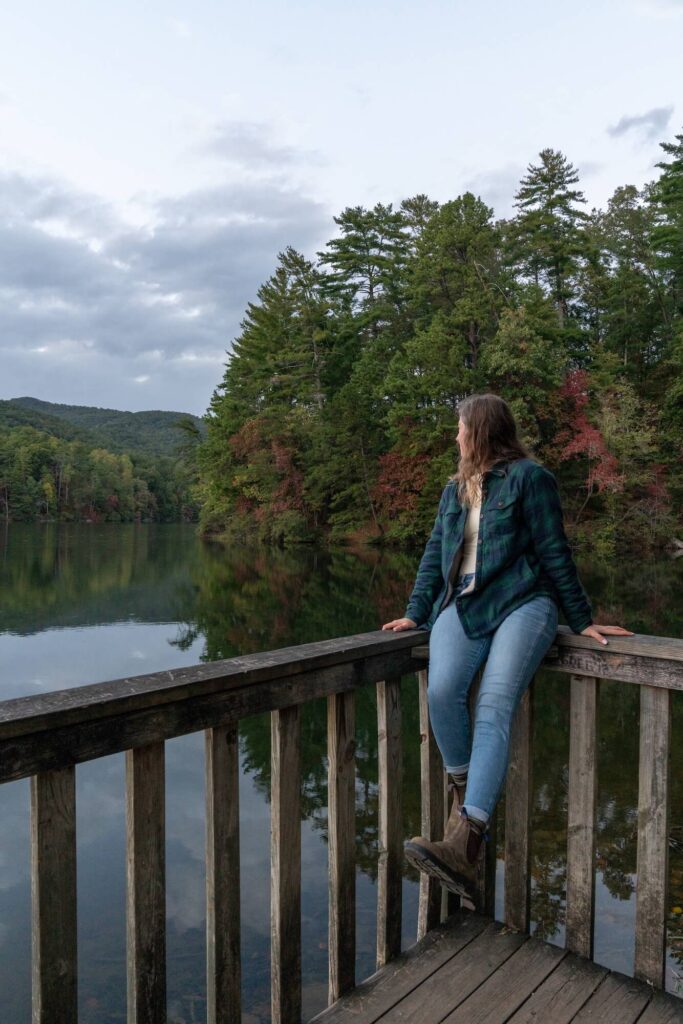
Once you’ve built a habit of creating and started to find your unique voice, it’s time to level up your skills.
Being a travel content creator requires wearing a lot of hats—writer, photographer, videographer, editor, marketer, and sometimes even accountant. The good news? You don’t need to master everything at once.
Start with the skills that directly support your primary platform. If you’re blogging, learn SEO and sharpen your writing. If you’re on YouTube, focus on video editing and storytelling. If you’re podcasting, get comfortable with audio editing and interviewing.
From there, you can gradually add skills like photography, social media marketing, or pitching brands (you’ll want to learn how to create a media kit).
Think of skill-building as an ongoing process. The more you create, the more you’ll naturally identify gaps in your abilities. Fill those gaps one at a time, and over the years, you’ll slowly become more confident.
Action Step: Choose ONE part of your business that you would like to improve. Start incorporating learning time into your weekly routine.
6. Expand Your Network and Build Relationships
Content creation might feel like a solo journey, but you won’t get far if you try to do it all alone. Networking and building community are what leads to many collaborations, brand partnerships, and long-term support when the journey gets tough.
I’ve always put a big focus on networking, and it’s opened countless doors for me. In my first year of full-time content creation, I attended three conferences (Southern Travelers Explore, WITS, and TBEX), and I’m still close friends with many of the people I met there.
Even more importantly, I landed tourism board partnerships exclusively because of the connections I made at one of those conferences, even though I had very few followers.
I also joined a travel blogging membership community, and the advice, encouragement, and referrals I’ve received there have been invaluable.
Whether you’re building your own circle of creators through Instagram connections or joining a paid membership community, I can’t understate the importance of having people who “get it” in your corner.
These relationships will keep you motivated, help you navigate challenges, and often lead directly to opportunities you’d never have access to on your own.
Action Step: Join an online community of bloggers and introduce yourself. This can be a free Facebook group like my Working with Tourism Boards as a Travel Blogger or a mastermind group that you create by reaching out to other creators at a similar stage as you.
7. Identify Desired Income Streams and Implement
Travel content creators have dozens of possible revenue streams from display ads and affiliate marketing to brand partnerships, freelance writing, photography, video work, digital products, and more. People are even leading group trips these days.
The key is to start small and intentional. Pick one or two income streams that make sense for your platform and your strengths, and focus on implementing them well.
For example, bloggers often begin with affiliate links or display ads, while YouTubers may lean on ad revenue and sponsorships. As you grow, you can diversify, but trying to do everything at once will only leave you spread too thin.
When I first started monetizing, I experimented with different income streams and quickly learned the importance of focus. Chasing too many opportunities early on made it harder to grow, but once I narrowed in on what worked, I was able to build a more sustainable business.
Don’t be afraid to pivot either. I was initially a freelance writer for other bloggers, then I started focusing on working with tourism boards and selling my photos or blog posts to them. As my blog grew, I put a bigger focus on ad and affiliate income. It will change over time.
Action Step: Identify an income stream that makes the most sense for you and start implementing that. Common income streams for beginners are affiliate links, licensing user-generated content, display ads, and sponsorships.
8. Analyze What’s Working and Adjust

Once you start monetizing and growing your platform, it’s important to step back and regularly evaluate what’s actually working.
Make a habit of checking your analytics and figuring out what changes should be made to your strategy and where you can double down.
Look for patterns: Which posts bring the most traffic? What types of videos keep people watching? Can you create similar content to this? Which partnerships or products actually generate income?
Then, be willing to adjust. Some of my biggest growth moments have come from pivoting when something wasn’t working or doubling down on strategies that clearly were.
For example, one year I took 16 media trips and found that was way too many. I was burnt out from traveling so much and didn’t have enough time to create quality content. I cut back on those trips and found other ways to increase my income without traveling.
This is a creative business, but it’s also data-driven and learning to blend the two will help you grow strategically instead of aimlessly.
Action Steps: If you haven’t already, create a spreadsheet to keep track of important analytics. For bloggers, this might be monthly sessions, pageviews, and your top 10 most popular posts each month. Keep track of where your income is coming from as well.
It’s helpful to track your time—I use Toggl for this. Then you can look at what’s working and if you need to adjust how much time you are spending on certain things.
9. Add New Platforms if You Have the Bandwidth
Once you’ve built consistency on your primary platform and have a clear idea of what’s working, then you can consider branching out. Adding new platforms can help you reach a wider audience and diversify your traffic sources.
The key is not to expand too early. I made the mistake of trying to be everywhere at once, and it left me stretched too thin. Instead, wait until you have the bandwidth to manage an additional channel without sacrificing the quality of your existing content.
When you’re ready, choose a platform that complements your main one. For example, bloggers often add Instagram or Pinterest to drive traffic, YouTubers might start a blog for SEO, and podcasters might use Instagram or TikTok to repurpose short clips.
Expanding strategically will help you grow without burning out.
Action Step: First, figure out if you have the bandwidth to add in another platform. If you do, then what would help the most? More traffic to your blog using Pinterest? Do you want to start pursuing brand deals? If so, I highly recommend Instagram.
Think about your goals and which platforms will help most with reaching those goals.
10. Invest in Your Business

At some point, you’ll reach a stage where free tools and DIY solutions can only take you so far. If you’re serious about becoming a full-time content creator, you’ll need to start investing back into your business.
The first things I recommend investing in are education, conferences, and outsourcing basic tasks that eat up your time.
Those areas will give you the most immediate return, whether that’s through learning strategies that actually work, building valuable connections, or freeing up your time to focus on higher-value projects.
Upgrading gear, like camera equipment, can also be worthwhile, but only if it’s going to increase your income.
If better photos or video quality will help you land brand partnerships or create products you can sell, then it’s a smart investment. Otherwise, hold off until your business is ready for it.
For me, conferences and memberships have been some of the best investments I’ve made. Not only did I walk away with knowledge I could implement right away, but the connections I made there directly led to partnerships and income opportunities.
The right investment can pay for itself many times over when you approach it strategically.
Action Step: Choose a course to help level up your business or a travel creator conference that you can attend this year.
11. Continue Layering Income Streams
Once you’ve built a solid foundation with one or two income streams, it’s time to diversify. Relying on a single source of income is risky in any industry, but especially in content creation.
The key is to add new revenue streams slowly and strategically. If you’ve been making money from affiliate marketing, maybe your next step is to pitch brands for partnerships.
If you’re earning from ads, you could layer in a digital product or a paid membership. Over time, these layers create stability and allow your income to grow beyond what a single stream could provide.
My own business has evolved this way. In the beginning, I focused on just a couple of income sources. As I gained experience and confidence, I started layering in more, and now those combined streams make it possible for me to work as a paid content creator full-time.
Action Step: Once you have one income stream that is set up and doing well, add in another. If you don’t feel confident in adding another income stream, go back to analyzing what is working and what’s not. What changes do you need to make?
How Much Can You Make as a Travel Content Creator
One of the biggest questions people have when they’re considering this path is: Can you actually make money as a travel content creator? The short answer is yes, but how much you earn varies widely.
Some creators only bring in a few hundred dollars per month, while others consistently earn $10,000 or more. There isn’t one standard “salary” because your income depends on factors like your audience size, engagement, niche, and the income streams you choose to pursue.
Statistics you’ll find online are all over the place, likely because this is such a new industry. What matters more is how you structure your business and the effort you put into building it. A creator with a smaller but highly engaged audience may earn more than someone with a larger following who hasn’t figured out how to monetize effectively.
Personally, in 2025, I’ve made as low as $450 in a month and as high as $7,400. It varies depending on the freelance work I have coming in, brand partnerships, and sales I make that month.
What Gear Do You Need?
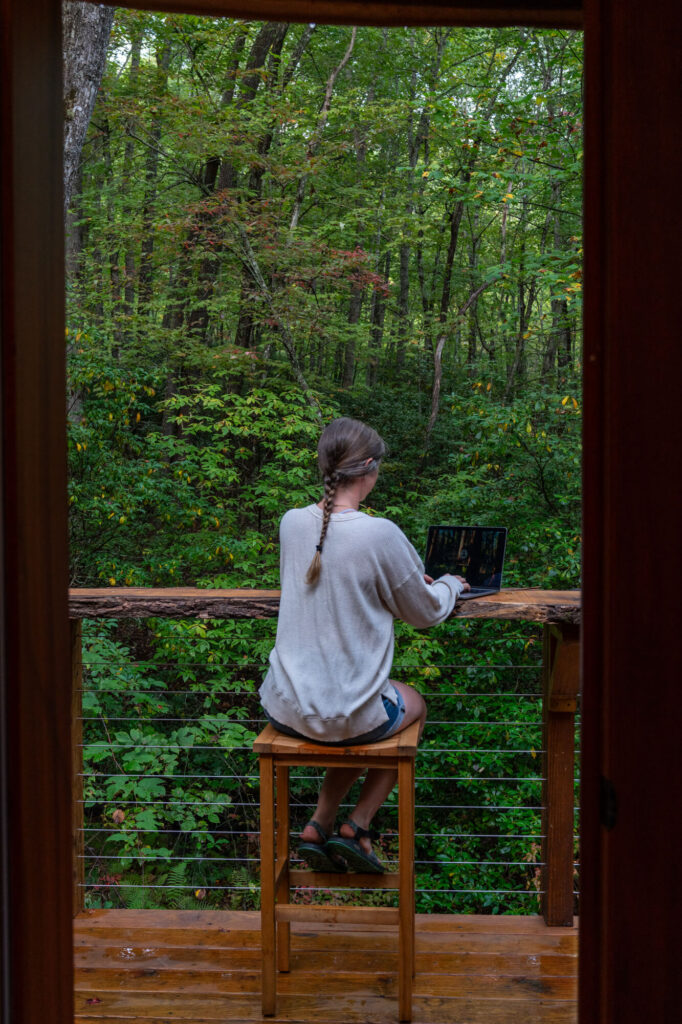
One of the biggest misconceptions about becoming a travel content creator is that you need fancy, expensive gear to get started.
The truth? You can create high-quality content with nothing more than a good camera phone. If that’s what you have right now, start there.
As you grow and begin to land partnerships or expand your services, you can slowly invest in gear that will make your content creation easier and more professional. Here are a few of the tools I use daily and absolutely love:
- MacBook Pro – When I made the leap into blogging full-time, I had to buy a laptop since the one I’d been using belonged to the company I worked for. Because I already had an iPhone, I decided to go with a Mac so everything would sync seamlessly across devices. It’s so convenient that I don’t think I’ll ever go back.
- Sony a7riii Mirrorless Camera – I started out with the Sony a6000, but when I began landing photography jobs, I upgraded to this camera. Paired with the Sony 24–70mm f2.8 lens, it’s versatile enough to cover most travel situations.
- Peak Design Tripod – As a solo creator, a tripod is essential. This one was an investment, but I love how it integrates seamlessly with the Peak Design Clip that I keep on my backpack.
- iPhone Tripod – If I’m trying to travel light and leave the camera behind, I’ll bring this smaller tripod just for my phone. It’s perfect for quick shots or creating video content on the go.
I use plenty of other tools, but these are the ones I reach for the most. And remember, you don’t have to buy everything at once. Start with what you have, then invest gradually in the gear that will truly elevate your content.
FAQs About Becoming a Travel Content Creator
Is it too late to become a travel content creator?
Absolutely not. While the industry is more crowded than it used to be, there’s always room for new voices and unique perspectives. What matters most is your consistency, creativity, and ability to connect with your audience.
Do you need to travel full-time to succeed?
Not at all. In fact, many successful creators focus on weekend trips, local destinations, or regional adventures. You don’t have to be on the road constantly to build authority. I don’t travel full-time and many of my creator friends don’t either.
Do you need a big following to become a paid content creator?
No. While a large audience can open doors, what brands and partners really value is engagement. A smaller, highly engaged community can be far more valuable than a big, disengaged one. Quality content and audience trust matter more than sheer numbers.
How long does it take to become a full-time content creator?
There’s no single timeline. For some, it may take a year; for others, much longer. It depends on how consistent you are, how quickly you learn and adapt, and which income streams you pursue. If you want the quickest route to monetization, I highly recommend investing in a creator course from the beginning.
What challenges will you face as a travel content creator?
Growth can be slow, and it’s easy to spread yourself too thin if you try to do everything at once. Many creators also struggle with diversifying too early or comparing themselves to others online. Algorithm changes can also be really disheartening. Sometimes it can feel like you take one step forward, then get knocked two steps back. Imposter syndrome is real. Honestly, there are so many challenges you’ll face but it’s just like starting any other business. The key is to focus on your own path, build community support, and remember that setbacks are part of the process.
Ready to Start Your Creator Journey?
Becoming a travel content creator takes time, intentional strategy, and a whole lot of persistence, but it’s absolutely possible.
By choosing your platform, committing to consistent creation, and building relationships, you can start turning your passion for travel into a career.
Don’t forget to put what you’ve learned into action. Every small step forward moves you further toward your goals.

